Quartz Crystal Microbalance Dew Point Hygrometer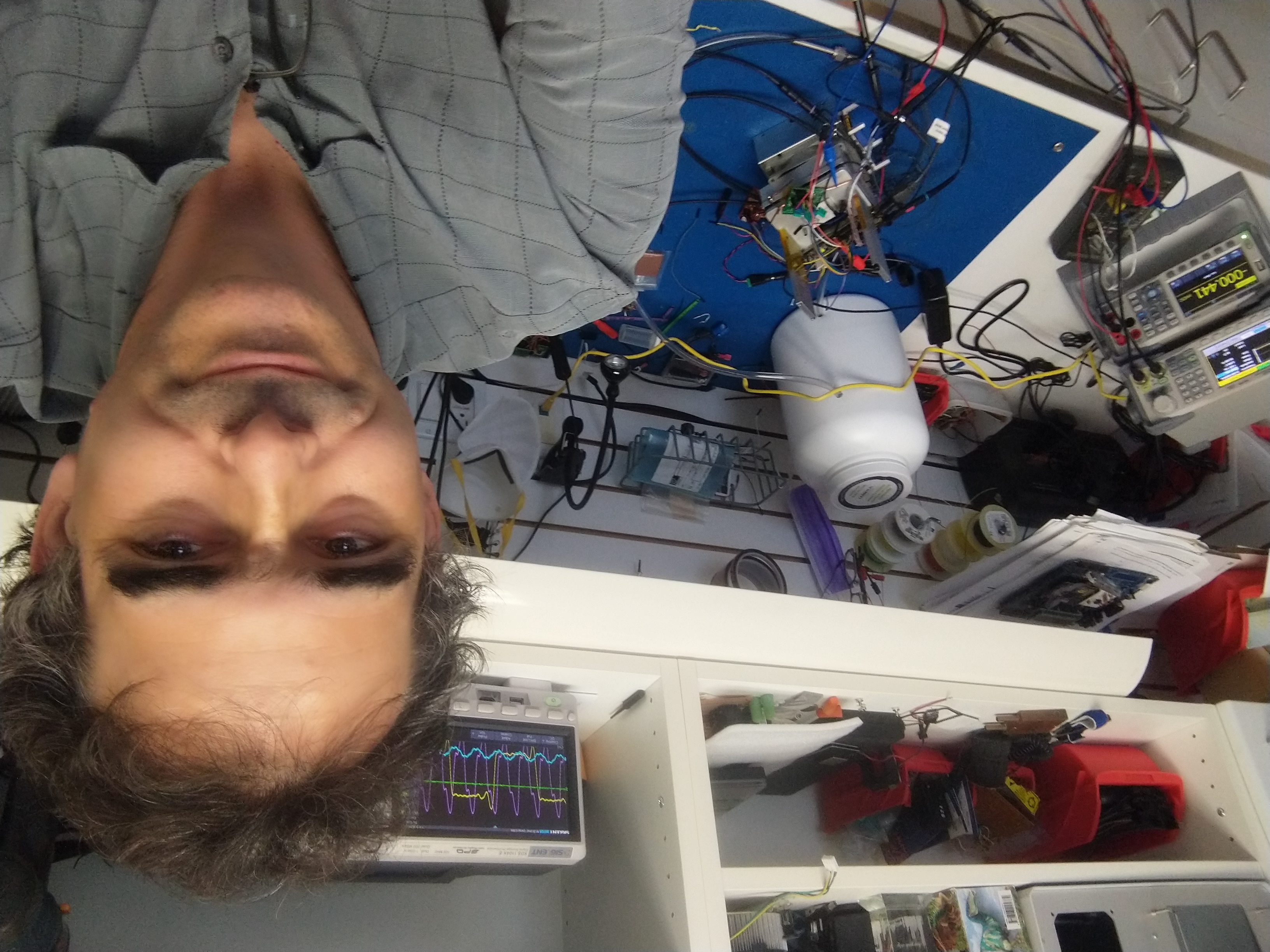
Development updates
2026-02-06
The new user interface for the gas generator enables to display NIST dew point as a function of system temperature.
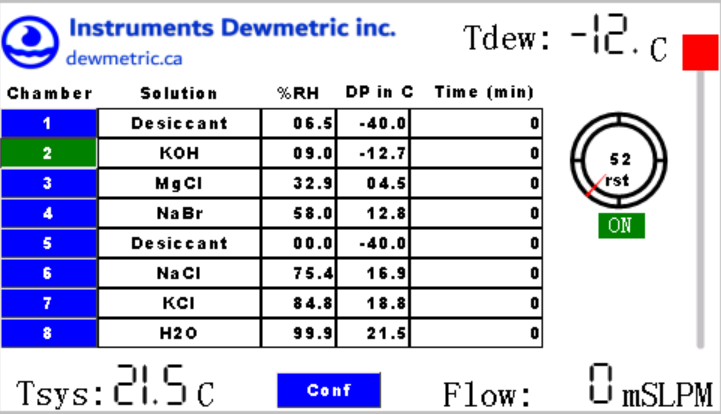
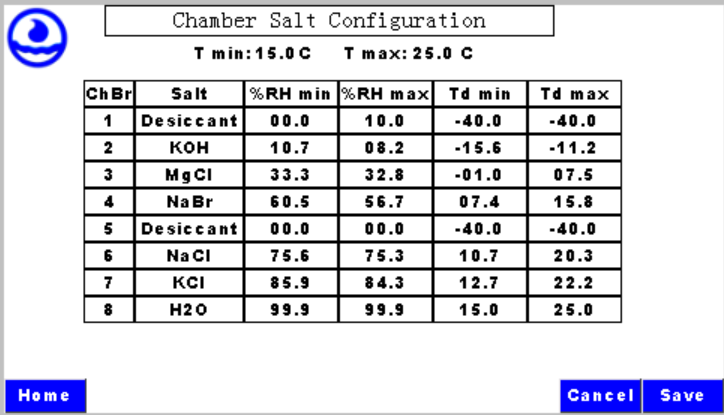
The configuration page enables the user to enter salt specific parameters at 2 extremes temperature and the display does a linear interpolation. System temperature can be entered manually or the optional Raspberry Pi will update automatically.
2025-10-20
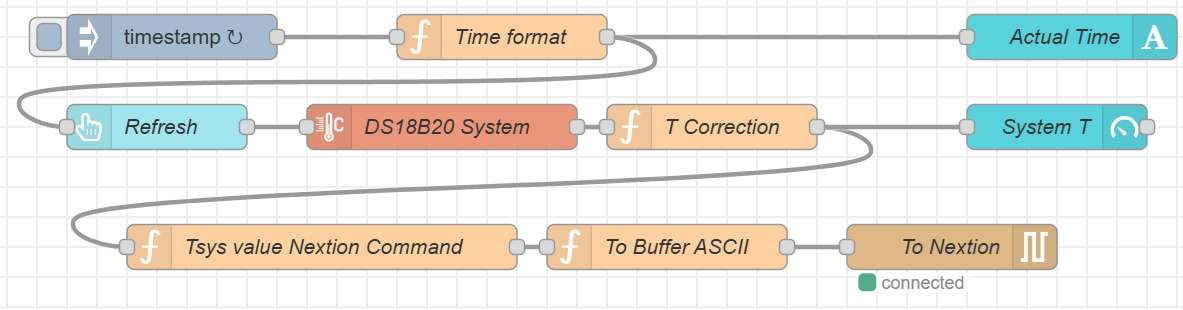
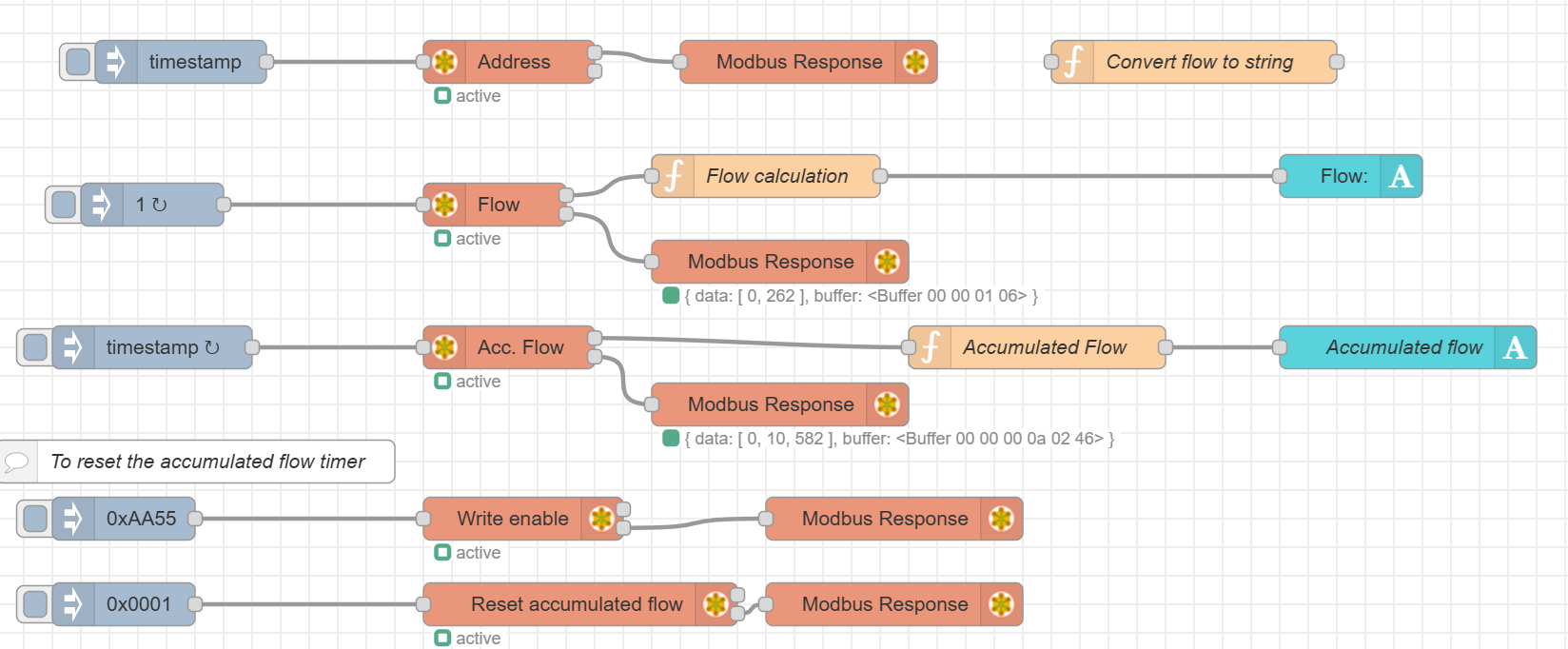
The gas generator works very well and I am working at the second version of the touch screen software. Also, I added a Raspberry Pi Zero to enable the integration of a flowmeter using a RS-485 with MODBUS protocol and a DS18B20 temperature sensor using Node-Red graphic programming.

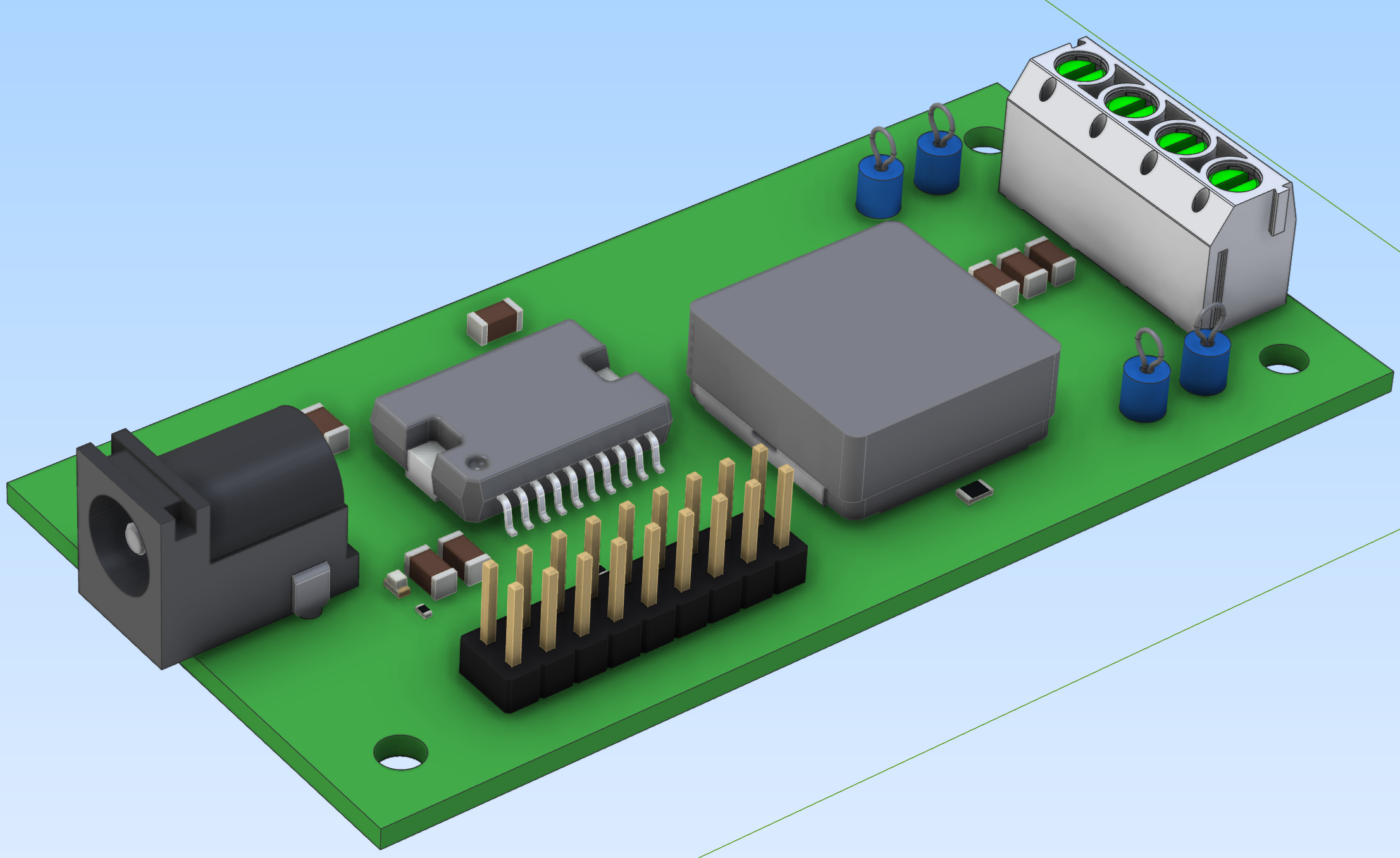
I focus on a PCB for the hygrometer that integrates the controller and the thermoelectric power control. I decided to pivot from a 40 mm form factor to a 60 mm form factor to assure that the sensor will go just below -20 degrees Celsius using a one-stage thermoelectric module. The design will enable a 2-stage module to reach -40 degrees Celsius on a bench top form factor version using additional cooling.
The 40 mm form factor made it difficult to assemble and I did not figure out an efficient way to mount the temperature sensors. The new version is inspired by hard disk magnetic head sensor mounting. It would provide easy assembly and cost-effective production.
2024-08-06
As I needed a reference dew point gas to measure with my prototype hygrometer (first image) and did not have the option to buy a reference gas generator. I decided to design one based on saturated salt solution. I was inspired by an article published in Measurement that uses pneumatic valves to switch from one salt solution to the other. I designed one using an Erlenmeyer with a specifically 3D printed head. It is mounted in a 2020 aluminum extrusion frame. I wanted a more compact system.

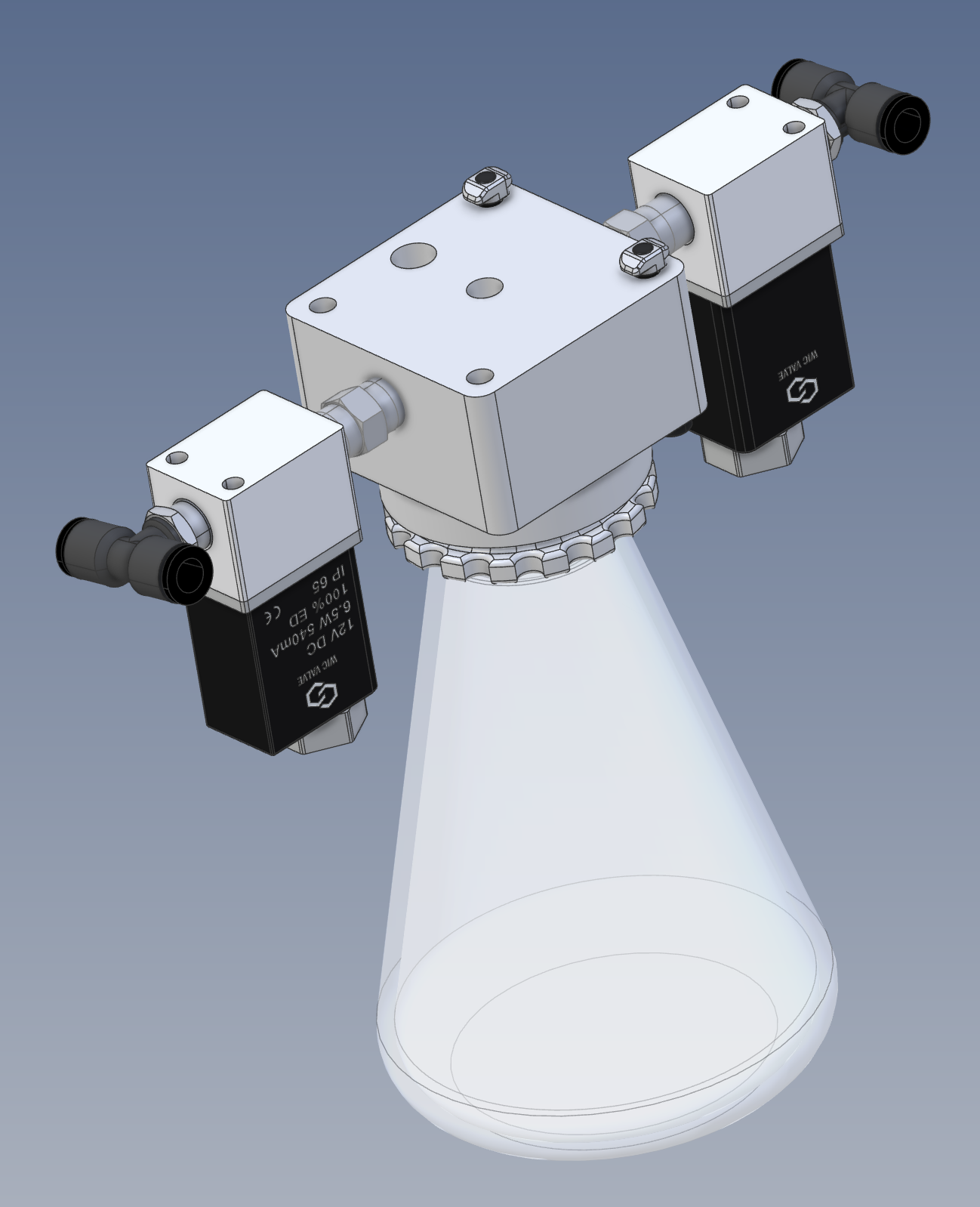
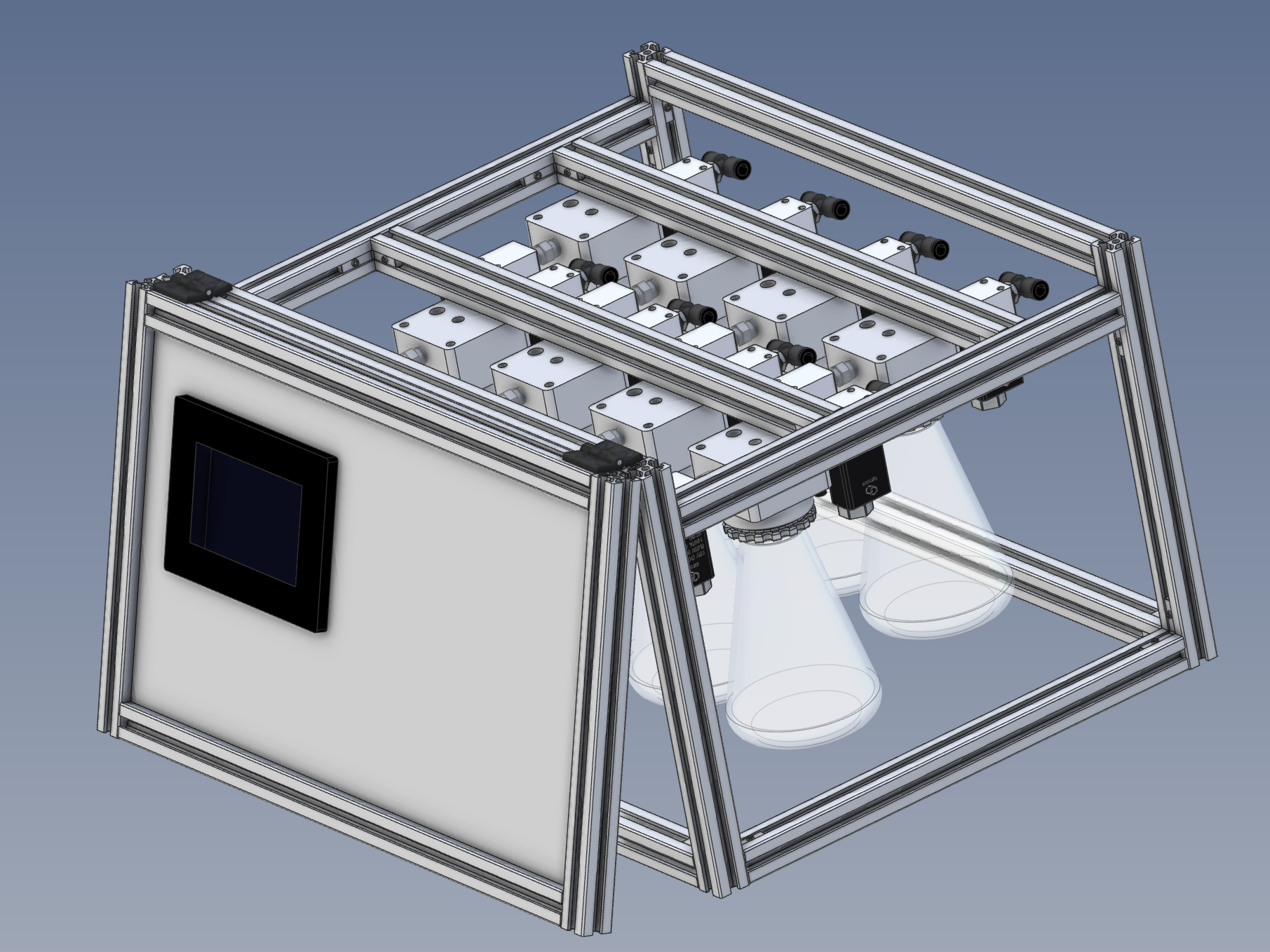
Instead of using a nitrogen gas source that passed through the system, I use a fan to circulate the gas in a closed loop. To control the bottle selection, I use the Nextion Display 8 IO port with an 8-relay board module. It is simple to program and has a serial interface to enable simple remote controls using Node-Red.
2023-06-29
First official update of the instrument development. I am more in the software development, focusing on the user interface UART (com port) management. The QCM (Quartz Crystal Microbalance) board will be transferred to the smaller version of an experimental setup very close to the final dew point sensor module. A first dew point manual tracking has been performed with very encouraging results. The thermoelectric power PCB module has not been completely tested but works very well without generating noise on the QCM.
The next steps will focus on completing measurements from the external thermistor and for the optional pressure sensor. Up to now, frequency, temperature and QCM load are measured within the needed specifications. The controller board design is still in progress. I wait until I can get a full-controlled dew point measurement before completing it. A lot of fun to come in the next few months.